



Showing 1–3 of 3 products
NEW
-15%
TOP
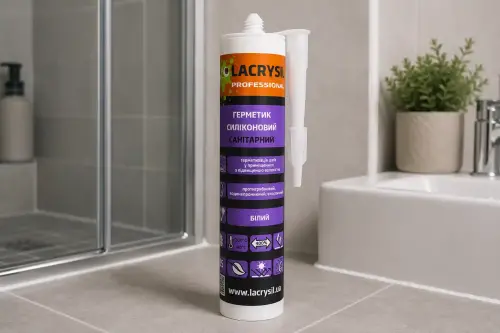
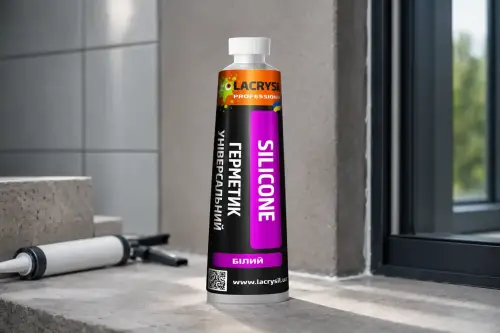
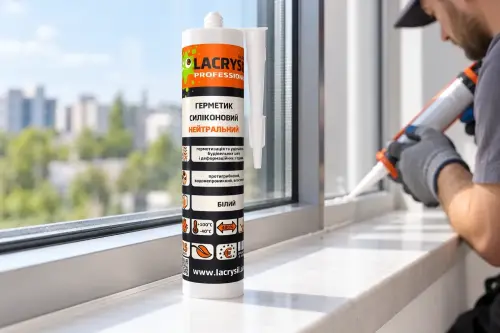
silicone sealants are used for elastic sealing of seams and joints where moisture resistance and joint movement matter. This subcategory includes universal and sanitary silicone sealants in white and transparent versions for construction, repair and humid areas.
What silicone sealants are used for
- forming an elastic water-resistant seam where surfaces meet;
- sealing seams and joints during construction and repair work;
- use in bathrooms, showers, kitchens and other humid areas when conditions follow the instructions;
- working with glass, ceramic, wood, plastic, PVC, primed metal and mineral substrates according to manufacturer recommendations;
- white and transparent colours help make the seam visible or less noticeable on different surfaces.
How to choose a silicone sealant
- for typical seams that need elasticity and protection from external influences, choose the Universal silicone sealant;
- for bathrooms, showers, kitchens and high-humidity areas, check the Sanitary silicone sealant with antifungal properties;
- white suits light substrates and a visible seam line, while transparent is useful when the joint should stand out less;
- 48 g or 50 g packs are convenient for local repair, while 0.28 kg suits a larger amount of work;
- before buying, check substrate compatibility, application temperature and the required seam geometry.
What to check before application
- surfaces should be dry, solid, level and cleaned of dust, dirt, ice, frost, mould, grease, old coatings and poorly bonded particles;
- for porous or weakened substrates, the manufacturer recommends pretreating with primer concentrate diluted 1:10 and drying;
- apply the sealant as a continuous even layer into the working cavity, then shape the seam with a spatula or template;
- the application range for these products is +0°C... +40°C, and layer formation takes 24-48 hours;
- for natural stone, metal and mirror surfaces, check the limitations of the specific product separately.