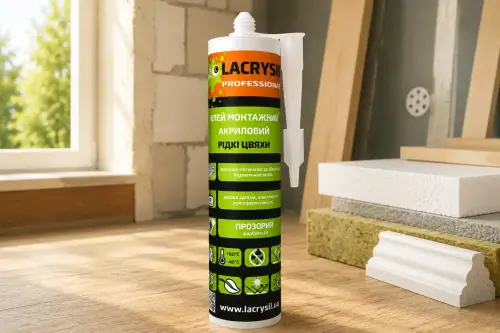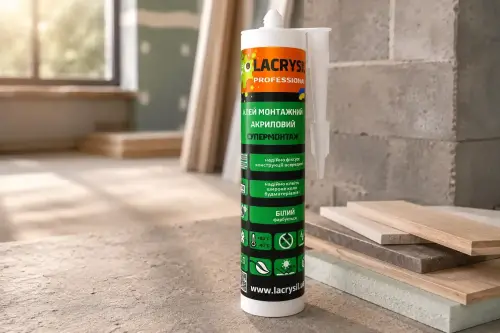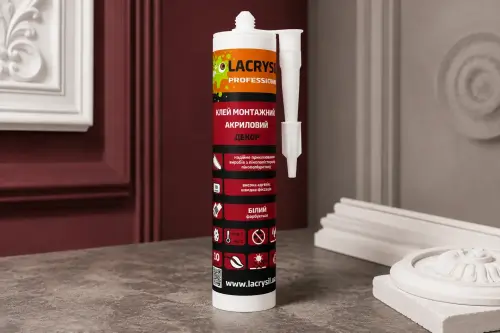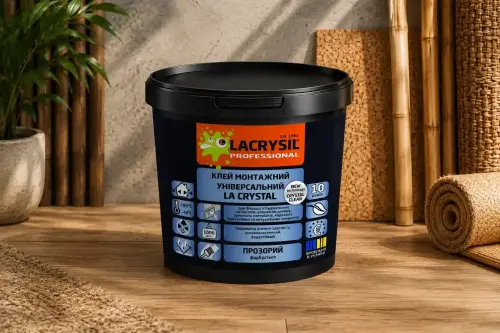




Showing 1–9 of 9 products

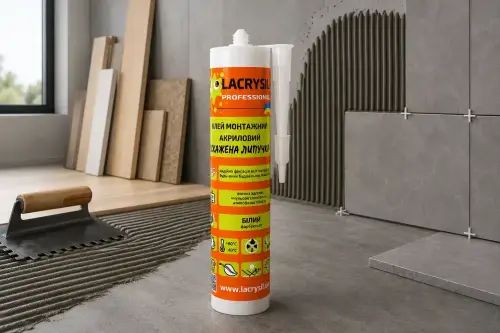
acrylic glues are suitable for finishing, repair, and installation jobs where decorative elements, coverings, or facing materials need to be fixed neatly to a prepared substrate. The subcategory includes products for skirting boards, moldings, panels, wallpaper, cork, bamboo, floor coverings, tile, mosaic, and stone.

What acrylic glues are used for
  • installing skirting boards, trim, moldings, rosettes, panels, and interior decorative elements;
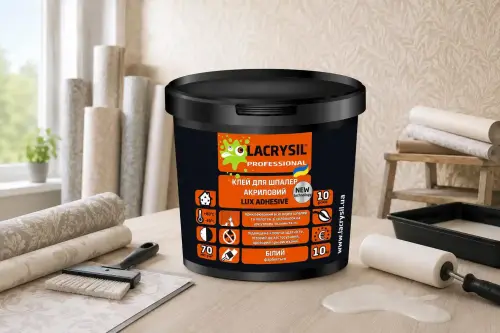
  • fixing heavy, structured, vinyl, textile, and glass-fiber wallpapers;
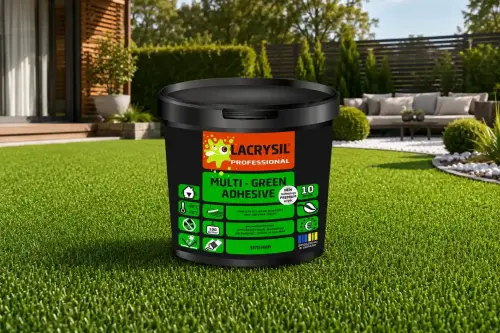
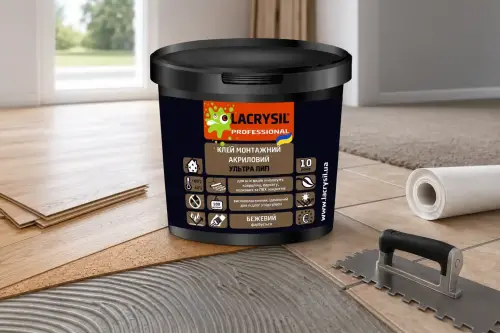
  • laying compatible floor coverings such as linoleum, carpet, PVC, vinyl materials, and artificial grass;
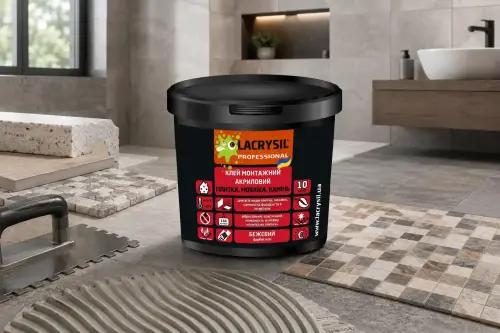
  • facing work with tile, mosaic, natural stone, or artificial stone;
  • fixing cork, bamboo, jute, wood, drywall, ceramic, and wood-based materials.
How to choose by material
  • For decor, choose formulas intended for polystyrene, polyurethane foam, trim, skirting boards, and moldings.
  • For wallpaper and coverings, use glues made for heavy, textile, vinyl, structured, or glass-fiber materials.
  • For floors, check compatibility with linoleum, carpet, PVC, laminate, parquet, or artificial grass.
  • For tile, mosaic, and stone, use a formula directly intended for facing work and the relevant substrate.
  • For a transparent joint, a transparent acrylic glue is suitable when the material and conditions match the instructions.
What to check before installation
  • substrate material, element weight, and application method: dots, beads, or a spread layer;
  • work conditions: indoors or outdoors, dry areas or areas with higher moisture;
  • glue compatibility with the decorative material, covering, or facing product;
  • surface preparation: the substrate should be sound, dry, even, and free from dust and contamination;
  • adjustment time, initial grab, final drying time, and recommendations for fixing the part.