

Showing 1–2 of 2 products
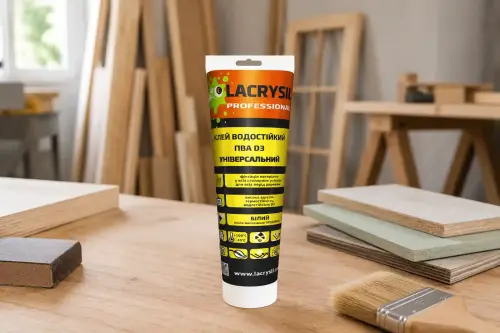
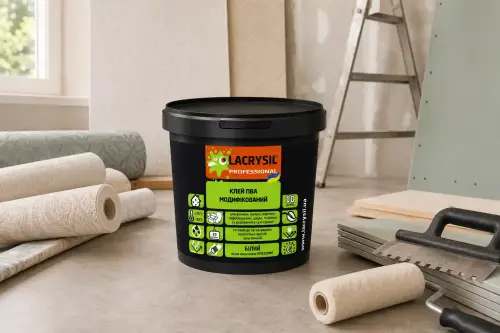
PVA glues are chosen for interior jobs where wood, plywood, veneer, wallpaper, drywall, textile, and cellulose-based materials need to be bonded neatly. This subcategory includes modified PVA for finishing tasks and PVA D3 for applications that need increased moisture resistance of the glued joint.
What PVA glues are used for
- bonding wood, plywood, veneer, and wood-based materials;
- fixing wallpaper, glass-fiber wallpaper, textile, and cellulose-based materials;
- working with drywall, cardboard, paper, and finishing elements;
- interior repair, joinery, decorative, and auxiliary installation tasks;
- using modified PVA as an additive for building mixes when allowed by the manufacturer instructions.
How to choose between modified PVA and PVA D3
- Modified PVA is suitable for decorative finishing work, wallpaper, fabrics, cellulose materials, and prepared building substrates.
- PVA D3 is worth considering for wood, plywood, veneer, floor coverings, and tasks that require D3 water resistance.
- For light porous materials, even application and substrate compatibility usually matter most.
- For wood and loaded parts, consider the bonding method, pressure, and final drying time.
What to check before application
- the substrate should be dry, sound, and free from dust, grease, and loose particles;
- check the glue compatibility with the material and expected service conditions;
- coverage, open time, and drying depend on the substrate, temperature, and application method;
- dense or loaded parts need even pressure and fixing until the glue grabs;
- choose the pack size and glue type according to the work volume and materials being joined.