


Showing 1–2 of 2 products

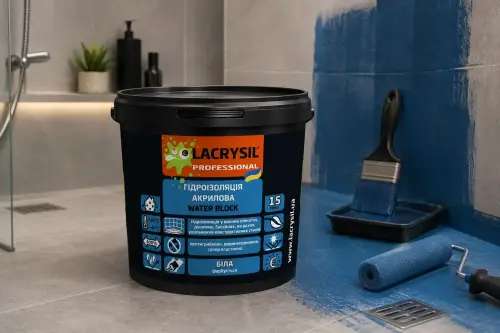
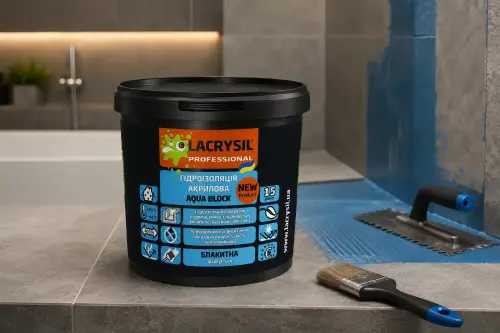
acrylic waterproofing includes one-component materials for protecting prepared surfaces, seams and junctions in areas with increased moisture. This subcategory includes Aqua Block and Water Block for membranes, underfloor heating, tile and roll coverings indoors and outdoors.

What acrylic waterproofing is used for
  • helping seal seams, joints, gaps and junctions between building structures;
  • creating a waterproofing membrane under tile and roll materials;
  • use in high-humidity areas or places with frequent water contact within the recommendations of the specific product;
  • use in underfloor heating systems when allowed by the material instructions;
  • preparing the substrate for further finishing and reducing the risk of moisture entering the base.
How to choose Aqua Block or Water Block
  • Aqua Block is relevant for waterproofing membranes, joints and work in water-contact areas; it is available in light blue and 3 kg or 7 kg packs;
  • Water Block is worth considering for seams, joints and gaps, as well as membranes under tile or roll materials; it is available in white and 1.2 kg, 3 kg, 6 kg or 12 kg packs;
  • for larger areas, compare coverage rate per square metre and required layer thickness;
  • for work followed by finishing, consider material colour, base, application tool and drying time;
  • before choosing, check operating conditions, surface type and the recommendations on the specific product card.
What to check before application
  • the substrate should be dry, solid, level and cleaned of dust, dirt, mold, grease and old coating residue;
  • old tiled coatings, natural stone, porous or weakened substrates should be primed according to the manufacturer’s recommendations;
  • metal surfaces should be protected against corrosion by a suitable method before application;
  • the material is mixed until uniform and applied at the temperature stated for the specific product;
  • for membranes, recommended thickness, layer direction and drying time between applications should be followed.