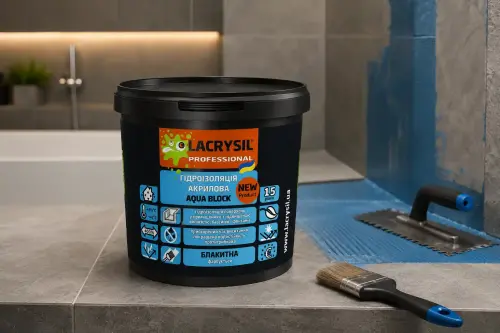
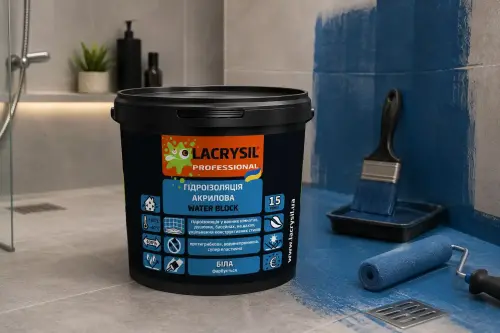
waterproofing is used when a surface, seam or joint needs preparation for moisture exposure. This category includes acrylic materials for water-contact areas, waterproofing membranes, underfloor heating, tile and roll coverings.
What waterproofing is used for
helping protect substrates from moisture exposure in sanitary and water-contact areas;
sealing seams, joints, gaps and connections between building structures;
creating a waterproofing layer under tile and roll materials;
use in underfloor heating systems when allowed by the specific product instructions;
preparing surfaces for further finishing without visible mechanical fastening.
How to choose a waterproofing material
for seams, joints and gaps, check materials directly intended for filling these zones;
for a membrane under tile or roll materials, recommended layer thickness and drying time matter;
for areas with frequent water contact, check the operating conditions of the specific product;
for larger areas, choose packaging with regard to coverage rate per square metre;
before buying, check colour, material base, application temperature and surface compatibility.
What to check before application
the surface should be dry, solid, even and cleaned of dust, dirt, mold, grease and unstable old coatings;
porous or weakened substrates should be prepared and primed according to the manufacturer’s recommendations;
metal surfaces should be protected against corrosion by a suitable method before application;
the material is mixed until uniform and applied with the tool stated on the product card;
for membranes and coatings, layer thickness, application direction and drying time should be followed.